From Concept to Creation: Mastering the Versatility of Digital Wreath Files in 2024
In the rapidly evolving world of digital crafting and creative design, few items have captured the imagination of hobbyists and professionals alike as consistently as the wreath. Once a symbol of hospitality or seasonal celebration limited to physical floristry and woodwork, the wreath has undergone a digital renaissance. Today, it exists not just in your front yard, but as a versatile asset in the cloud, ready to be transformed into custom merchandise, home decor, and intricate art projects.
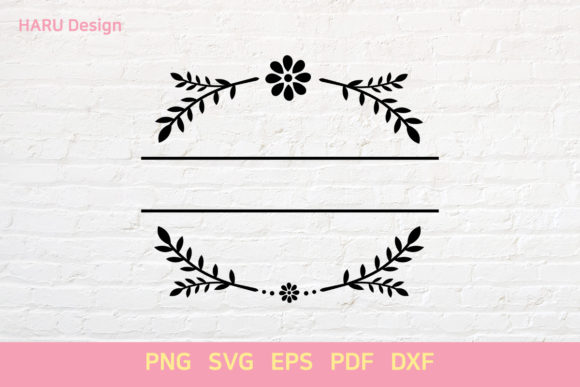
Whether you are a seasoned crafter looking to expand your product line or a beginner eager to understand the tools of the trade, navigating the landscape of digital file formats is essential. This guide explores the specific utility of a comprehensive 12-inch by 12-inch digital wreath package, detailing how single-file assets like SVG, EPS, PNG, PDF, and DXF work together to bridge the gap between digital imagination and tangible reality.
Understanding the Core Asset: The 12x12 Artboard Standard
Before diving into file types, it is crucial to understand the canvas upon which these designs live. In the realm of digital cutting machines (such as Cricut, Silhouette, and Brother ScanNCut) and professional vector software, the 12in × 12in artboard is the industry standard for single-page projects. This square format represents a perfect balance between detail and manageability.
A wreath designed within this specific dimension offers several distinct advantages:
- Proportional Accuracy: A 12x12 inch canvas allows the designer to create a wreath that is typically 10 to 11 inches in diameter. This size is ideal for standard door decorations, gift tags, and medium-sized t-shirts without requiring complex scaling that might distort the design's integrity.
- Cutting Efficiency: For users with 12-inch wide cutting mats, this file size ensures the entire design can be cut in a single pass. There is no need to "tile" or split the image across multiple mats, which saves time and prevents alignment errors.
- Design Density: The 12x12 area provides enough space for intricate details—such as individual leaves, berries, or ribbon folds—while maintaining a clean structure that won't overwhelm smaller materials.
Decoding the File Ecosystem: Why You Need All Five Formats
One of the most common misconceptions about digital downloads is that a single file type can do everything. In reality, a robust digital package includes a suite of formats, each serving a unique purpose in the creative workflow. When you acquire a set containing SVG, EPS, PNG, PDF, and DXF, you are essentially unlocking the potential for every major crafting machine and software platform on the market.
The Power of Vector Graphics: SVG and EPS
Scalable Vector Graphics (SVG) and Encapsulated PostScript (EPS) are the heavy hitters of the digital crafting world. Unlike raster images (which are made of pixels), vectors are mathematical equations that define lines, curves, and shapes. This means they are infinitely scalable without losing quality.
For a wreath design, this is non-negotiable. If you were to stretch a pixelated image to fit a large banner, it would become blurry and blocky. However, an SVG file remains crisp whether it is printed on a tiny sticker or a massive wall decal. These files are the native language of cutting machines like Cricut and Silhouette. They allow the machine to "read" the path of the blade, knowing exactly where to cut and where to weeding (removing excess material).
The EPS file serves a similar purpose but is often preferred by graphic designers using Adobe Illustrator or CorelDRAW. It is a universal vector standard that ensures compatibility across different operating systems and professional design suites. If you plan to edit the wreath, add text, or combine it with other elements before sending it to a cutter, the EPS file is your starting point.
Raster and Print-Ready Formats: PNG and PDF
Not all projects require a cutting machine. Sometimes, the goal is simply to print an image or use it in a digital presentation. This is where PNG and PDF files come into play.
The PNG (Portable Network Graphics) format supports transparency, making it the gold standard for digital overlays. Imagine placing your digital wreath onto a photo of a wooden door; a PNG allows the wreath to sit perfectly over the background without a white box surrounding it. It is also excellent for sublimation printing on mugs, tumblers, and tote bags, provided the resolution is high enough (usually 300 DPI at the intended size).
PDF files are the ultimate bridge between digital and traditional printing. They preserve the layout and vector data, allowing you to send the file directly to a professional printer who may not have access to specialized cutting software. Whether you are creating holiday cards, invitations, or instructional manuals featuring the wreath, the PDF ensures the design looks exactly as intended on paper.
The Industrial Standard: DXF
You might wonder why a DXF (Drawing Exchange Format) file is included alongside consumer-focused formats. While SVG is great for hobbyists, DXF is the language of industrial machinery. If you ever decide to take your craft business to the next level by using laser cutters, CNC routers, or commercial plotter cutters, the DXF file is your ticket.
These files provide precise coordinate data that industrial machines rely on for mass production. By including a DXF file in your 12x12 wreath package, you ensure that your design can transition seamlessly from a backyard garage project to a small-scale manufacturing run without needing to be redrawn from scratch.
Practical Applications in Modern Life and Business
The versatility of a multi-format wreath package extends far beyond simple decoration. In today's creator economy, understanding how to leverage these files is key to building a sustainable side hustle or enhancing personal creativity.
Home Decor and Seasonal Celebrations
The most immediate application is home decor. With a 12x12 SVG, a crafter can create a custom Christmas wreath, a spring floral arrangement, or a festive Halloween garland. Using vinyl cutters, enthusiasts can layer different colors of adhesive vinyl to create textured, dimensional wreaths that hang on doors or walls. The PDF version allows them to print patterns for fabric stuffing or paper piecing, adding a traditional textile element to the modern digital design.
E-Commerce and Custom Merchandise
For entrepreneurs selling on platforms like Etsy, Amazon Handmade, or Shopify, the EPS and PNG files are invaluable. They allow sellers to place the wreath design on various products—apparel, mugs, phone cases, and signs. Because the vector files are scalable, a seller can list the same wreath design on a necklace and a billboard with confidence that the image will remain sharp. Furthermore, the ability to edit the design in Illustrator (via the EPS) allows for customization, such as changing names or dates, which adds significant value to the customer experience.
Educational and Community Projects
In educational settings, these files serve as excellent tools for teaching geometry, symmetry, and digital literacy. Students can analyze the geometric construction of a wreath using the DXF or SVG layers, learning how circles and arcs form complex patterns. Schools with computer labs equipped with cutting plotters can turn a lesson on art history into a hands-on project where students recreate historical wreath styles using modern technology.
Clarifying Common Misunderstandings
To fully appreciate the value of this digital package, it is important to address a few prevalent myths regarding digital design files.
Misconception 1: "I only need one file."
Many beginners believe that downloading an SVG is sufficient. However, if their cutting machine malfunctions or they wish to print the design on a substrate that requires a raster image, they are stuck. A complete package ensures redundancy and flexibility, protecting the user against technical limitations.
Misconception 2: "Digital files are low quality."
There is a false assumption that because something is digital, it lacks the tactile quality of physical art. In truth, a well-constructed vector wreath often possesses higher precision than hand-drawn sketches. The mathematically perfect curves of a digital design result in cleaner cuts and more professional-looking final products.
Misconception 3: "The 12x12 size limits my creativity."
Some assume that working within a fixed artboard restricts the design. On the contrary, the 12x12 constraint forces the designer to focus on composition and balance. Since the file scales infinitely, a 12x12 master file can be shrunk for a keychain or expanded for a mural, offering maximum creative freedom despite the initial constraints.
Conclusion: Embracing the Digital Future of Craft
The convergence of traditional aesthetics and modern technology has given rise to a new era of creativity. A 12-inch by 12-inch wreath package containing SVG, EPS, PNG, PDF, and DXF files is more than just a download; it is a toolkit for expression. It empowers individuals to move from passive consumers of decor to active creators of meaning.
Whether you are cutting vinyl for a family member's birthday, designing a logo for a local business, or teaching the next generation about digital fabrication, these files provide the foundation for success. By understanding the specific role each format plays—from the editable precision of vectors to the print-ready reliability of PDFs—you unlock the full potential of your creative vision. In a world where digital skills are increasingly vital, mastering these tools ensures that your ideas remain timeless, adaptable, and beautifully realized.
As you embark on your next project, remember that the true value lies not just in the image itself, but in the limitless possibilities unlocked by its various forms. From the screen to the shop floor, the digital wreath stands as a testament to the enduring power of human creativity when paired with the right technology.